

What is Raman Spectroscopy?
HOW SCIENTISTS IDENTIFY CHEMICALS USING LIGHT
Why It
Matters
In many industries, identifying materials quickly and accurately is criticaI.
Raman spectroscopy helps organizations:
- verify raw materials
- detect contamination
- improve product quality
- accelerate R&D
How It Works
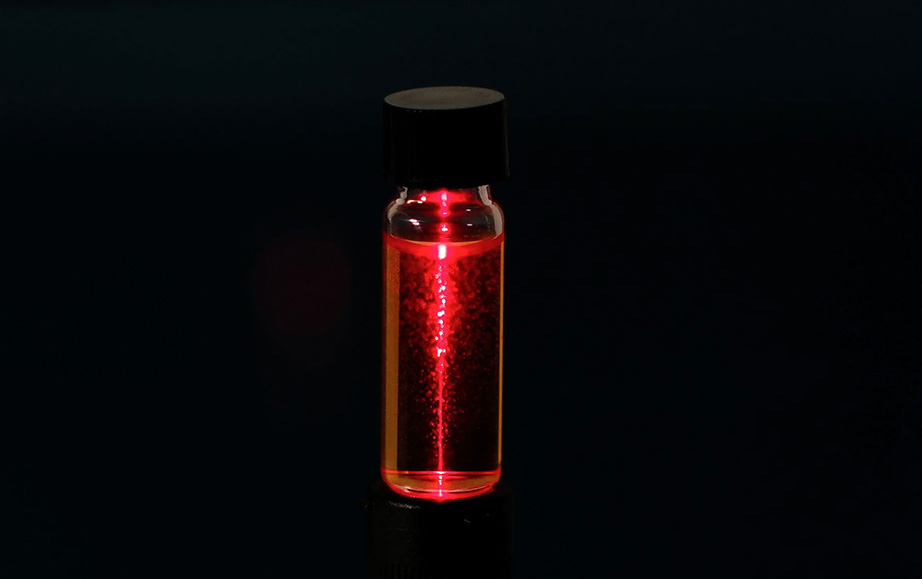
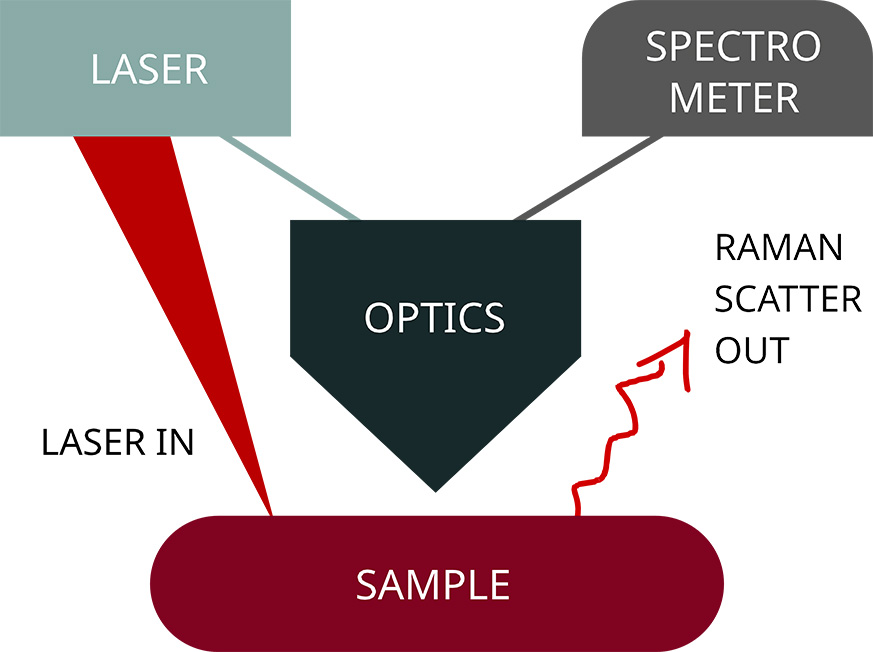
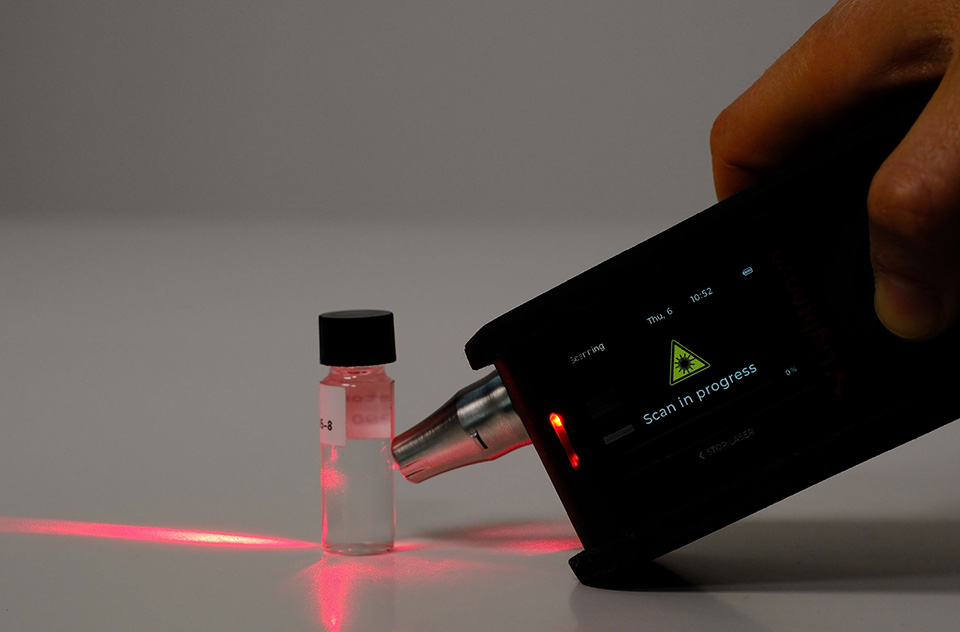
Raman spectroscopy uses a laser directed at a sample.
The scattered light is collected and converted into a spectrum.
That spectrum helps identify the chemical composition of the material.
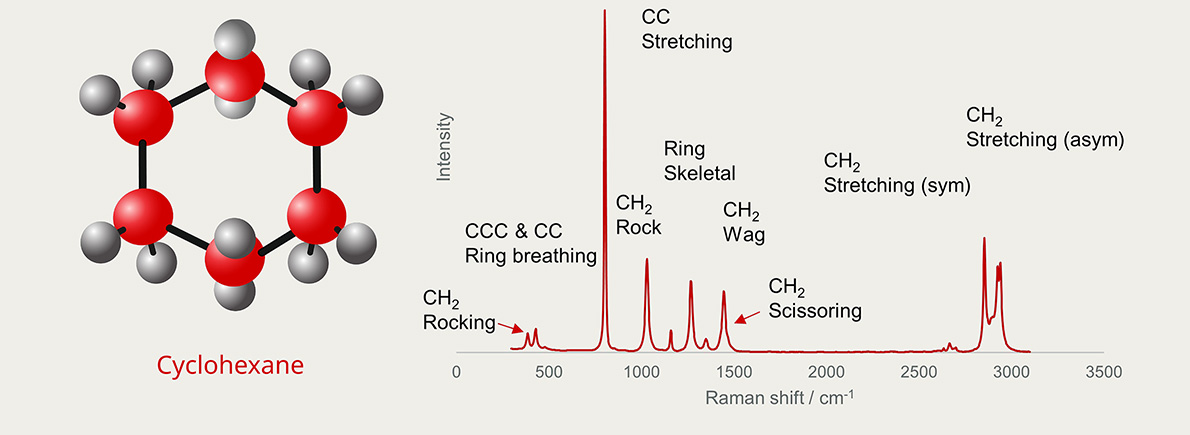
Molecules"Dance"
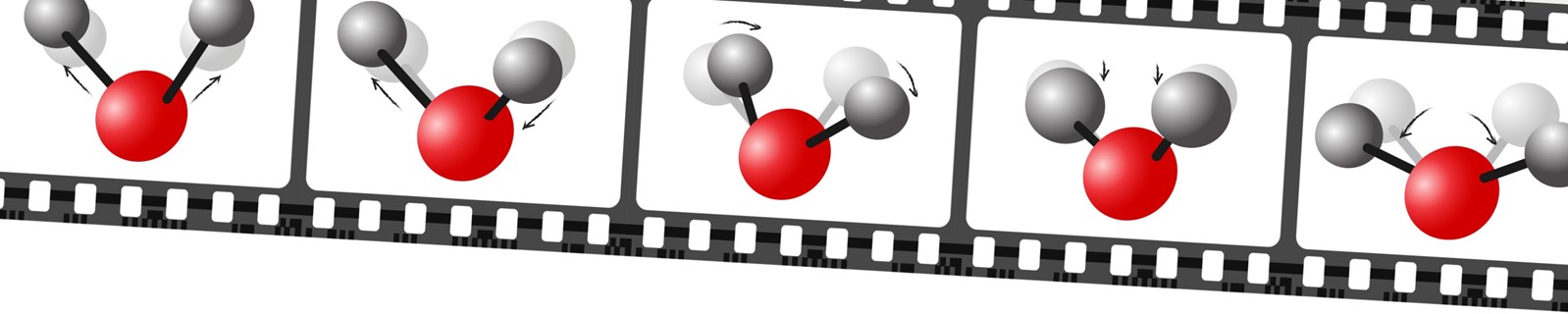
When excited by laser energy, molecules vibrate in different ways:
- Stretching (symmetric and asymmetric)
- Rocking
- Wagging
- Scissoring
Each vibration creates a unique signal.
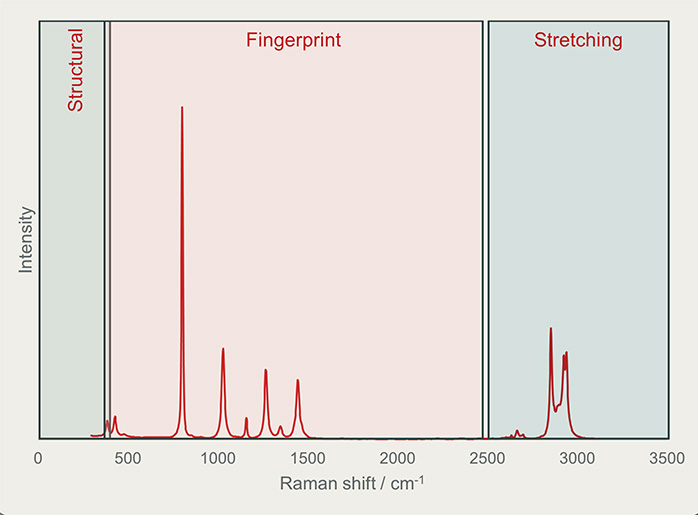
Every Molecule has a Fingerprint
The most valuable part of the spectrum is called the Fingerprint Region. This area contains peaks specific to each molecule, allowing reliable identification.
Think of it
as a barcode
for molecules.
Why Raman is
Powerful
- Fast Analysis and results
- Non-destructive testing
- Minimal sample preparation
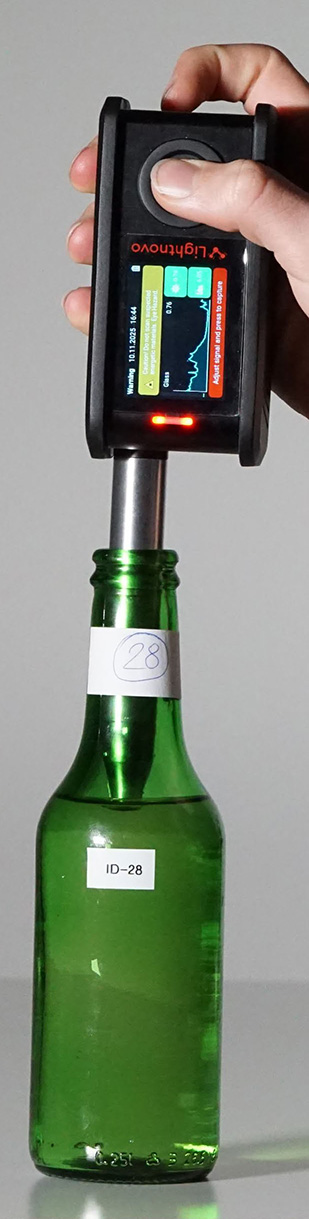
- Works through transparent packaging
- Water interference is low
- Suitable for inline and realtime analysis
What It
Can Detect
Raman spectroscopy is widely used in:
- Pharmaceuticals
- Polymers & plastics
- Chemicals
- Food quality control
- Forensics
- Materials science
- Academic research

Raman spectroscopy turns light into chemical information.
Want to know
how it works
in your industry?
Download the Full PDF --> What is Raman Spectroscopy?